
Sip of Heritage: Exploring Traditional Kenyan Drinks from Various Communities

Kenya’s rich cultural diversity is reflected not just in its languages, music, or attire—but also in its drinks. From fermented milk enjoyed in the Rift Valley to sweet coconut brews along the coast, traditional Kenyan drinks tell stories of community, celebration, and heritage. These beverages are more than thirst quenchers; they’re cultural anchors passed down through generations. In this blog, we explore authentic drinks from Kenya’s communities, their local names, how they’re made, and the traditions surrounding them. 1. Mursik (Fermented Milk) – Kalenjin Community Mursik is one of Kenya’s most iconic traditional drinks, rooted in the culture of the Kalenjin people of the Rift Valley. It’s made by fermenting cow’s milk in a specially prepared gourd known as sotet. How it’s made: A dried gourd is cleaned and smoked using burning sticks from specific trees like senetwet or oseget to add a distinct smoky flavor. Fresh cow’s milk is poured into the gourd and left to ferment naturally for 3–5 days. The result is a thick, tangy, slightly sour drink often enjoyed during ceremonies, after hard labor, or by athletes after training. Local name: Mursik (Kalenjin)Cultural role: A symbol of hospitality and purity, mursik is served to guests, at weddings, and after circumcision ceremonies. 2. Mnazi (Coconut Palm Wine) – Coastal Communities Along Kenya’s coastline, particularly among the Swahili, Digo, and Giriama people, mnazi is a cherished traditional drink made from the fermented sap of the coconut palm. How it’s made: A tapper climbs a coconut tree and slices the flower stalk to collect the sap. The sap is stored in a calabash or plastic container, where it ferments naturally within hours due to the warm coastal temperatures. The drink is mildly alcoholic, refreshing, and sweet when fresh—but gets stronger with time. Local names: Mnazi (Swahili), Tembo ya mnazi (Coconut alcohol)Cultural role: Commonly served at coastal celebrations, weddings, and social gatherings. It symbolizes unity and relaxation. 3. Busaa (Fermented Grain Beer) – Luhya and Luo Communities Busaa is a traditional beer brewed mainly by the Luhya community. It is made by fermenting sorghum, millet, or maize flour. How it’s made: The grains are malted—soaked, germinated, and sun-dried. They’re then ground into flour and boiled with water to create a porridge-like mixture. The mixture is left to ferment for 2–3 days using natural yeasts. Once fermented, the drink becomes mildly alcoholic with a thick, earthy taste. Local names: Busaa (Luhya)Cultural role: A communal drink often shared in traditional ceremonies, dowry negotiations, and village meetings. 4. Uji wa Wimbi (Finger Millet Porridge) – Across Kenya This drink is both a beverage and a meal. Popular across communities—from the Kamba and Kikuyu to the Luo and Kisii—it’s made from finger millet (wimbi), known for its nutritional value. How it’s made: Millet flour is mixed with water to form a smooth paste. The paste is added to boiling water and stirred to prevent lumps. It’s sweetened with honey or sugar and flavored with lemon, cinnamon, or milk. Local names: Uji wa wimbi (Swahili), Obusera (Luhya), Kirario (Kikuyu)Cultural role: Served at breakfast, after childbirth, or to elders for nourishment. It’s one of Kenya’s most nutritious traditional drinks. 5. Togwa (Fermented Millet Drink) – Taita and Coastal Highlands Togwa, popular among the Taita and Swahili highland communities, is a mildly fermented porridge drink that resembles uji but with a tangy flavor. How it’s made: Millet or sorghum flour is mixed with water and boiled. The mixture is left to ferment naturally for 1–2 days. Sometimes sugar or honey is added for sweetness. Local names: Togwa (Taita/Swahili)Cultural role: A refreshing energy drink taken during farm work or on hot afternoons. 6. Muratina (Traditional Honey Brew) – Kikuyu Community Among the Kikuyu, muratina is a sacred traditional drink made from fermented honey and the fruit of the wild sausage tree (Kigelia africana). How it’s made: The muratina fruit is cut, dried, and boiled in honey and water. The mixture ferments for several days until naturally alcoholic. The drink is strained and served in calabashes during ceremonies. Local name: Muratina (Kikuyu)Cultural role: A vital ceremonial drink for weddings, blessings, and elder gatherings. It represents unity and ancestral connection. 7. Kamaria (Sweet Sorghum Drink) – Kamba Community Among the Kamba, kamaria is a naturally sweet sorghum-based drink consumed by both adults and children. It’s non-alcoholic, making it a staple in homesteads and celebrations. How it’s made: Sorghum grains are roasted and ground into flour. The flour is boiled with water and left to cool. Sometimes spiced with ginger or lemon for a refreshing twist. Local name: Kamaria (Kamba)Cultural role: A daily household drink symbolizing hospitality and abundance. 8. Mabungo Juice (Wild Fruit Juice) – Coastal and Taita Communities Mabungo, also known as passion fruit of the wild, grows in coastal Kenya. Its juice is a beloved traditional refreshment known for its tangy-sweet flavor and health benefits. How it’s made: Ripe mabungo fruits are split open and the pulp is extracted. The pulp is blended or mashed, then mixed with water and sieved. Sugar or honey is added for sweetness. Local name: Mabungo (Swahili), Mzung’u (Taita)Cultural role: A refreshing drink enjoyed during hot afternoons and communal meals. The Role of Traditional Drinks in Kenyan Culture Kenyan traditional drinks are deeply symbolic—they bring people together and mark life’s milestones. Whether it’s a muratina toast at a Kikuyu wedding, mursik shared after initiation, or a cup of uji in the morning, each drink carries meaning. Beyond tradition, many of these beverages are making a comeback in urban cafes and health shops due to their natural ingredients and nutritional value. Drinks like uji wa wimbi and mabungo juice are now celebrated as foods rich in vitamins, probiotics, and antioxidants. Conclusion Kenya’s diversity shines through its beverages as much as its food. From the fermented milk of the Rift Valley to coconut brews of the Coast, these drinks reflect centuries of wisdom, community, and flavor. As modern lifestyles evolve, rediscovering and celebrating traditional Kenyan drinks helps preserve the nation’s cultural identity—one sip at a
Mocktails & Cocktails: Kenyan-Inspired Drinks
Introduction Kenya’s diverse landscape and rich cultural heritage aren’t just reflected in food – they reflect in drinks as well. Kenyan-inspired drinks, from the tropical fruit mocktails of the coast to the spiced cocktails are perfect for any occasion. In this blog, we explore the unique drinks, ingredients, and tips to craft a drink that honors Kenya’s vibrant flavors. Why Kenyan-inspired drinks are unique Kenya’s lands are blessed with an abundance of fresh fruits, herbs, and spices that makes it easier to make this flavorful drinks. Think of the pineapples from Thika, coconuts from Kilifi, and passion fruits from Eldoret, or aromatic herbs grown in homesteads and farms. These local ingredients is what set Kenyan mocktails and cocktails apart from other bar offerings. Key ingredients in these drinks include: Tropical fruits: Mango, passion fruit, pineapple, and pawpaw Spices: Cinnamon, cardamom, ginger Herbs: Lemon grass, basil, fresh mint Local brews: Sugarcane juice, Kenyan honey, coconut wine (mnazi) These ingredients is what makes drinks vibrant, refreshing, and authentically Kenyan. Top Kenyan- inspired mocktails Mombasa pineapple-lime spritzer Inspired by coastal pineapples, this drink is sweet yet zesty. Ingredients: Pineapple juice, lime juice, a dash of ginger syrup, soda water Pro tip: Add grated coconut on the rim for a tropical twist Ginger tamarind twist The tangy depth of tamarind with Kenya’s beloved ginger. Ingredients: Ginger syrup, chilled water, tamarind pulp, honey, ice cubes Occasion: Perfect for guests as a welcome drink or as an afternoon energizer Passion fruit and mint cooler A bright and citrusy refresher for hot afternoons. Ingredients: Fresh passion fruit pulp, lemon juice, honey, sparkling water, mint Why it works: The tangy sweetness of passion fruit pairs well with mint’s cooling effect, a drink that reminiscent of Kenya’s highland gardens. Top Kenyan-inspired cocktails Safari sunset A perfect reflection of Kenya’s magical sunsets layered with color and flavour. Ingredients: Mango juice, passion fruit syrup, dark rum, grenadine Serving tip: Pour grenadine last for a layered ‘sunset’ effect. Coconut dawa martini A twist of the famous cocktail, dawa (‘medicine’ in Swahili) Ingredients: Coconut cream, vodka, honey, lime juice Why it works: Combines Kenya’s coastal coconut with the dawa honey-lime flavor. Mnazi mojito A coastal twist on the classic mojito using coconut wine Ingredients: Mnazi (coconut wine), fresh mint, lime wedges, soda water Pro tip: If mnazi isn’t available, use white rum with coconut water for a similar effect. Spiced Nairobi mule A local spice on the Moscow Mule. Ingredients: Vodka, ginger beer (locally brewed), lime juice, a pinch of chili powder Why it works: The chili kick reflect Nairobi’s vibrant street food culture Where to experience Kenyan-inspired drinks If you’re not ready to mix it at home, plenty of Kenyan restaurants and bars are embracing local flavors. Hero bar (Nairobi): Known for innovative Kenyan cocktails with indigenous ingredients. Tamambo Karen Blixen (Nairobi): Offers classic cocktails with a tropical twist. Jikoni Magic (Nairobi): A spot for creative fusion drinks and authentic bites. The Moorings (Mombasa): Enjoy coastal-inspired drinks with a sew view. Luxury Safari Lodges: Many lodges in Maasai Mara and Amboseli feature signature cocktails that highlight local herbs and honey. Tips for making mocktails and cocktails at home Use fresh ingredients: Local fruits and herbs ensure vibrant color and taste. Play with spices: Ginger, cinnamon, cardamom, and chili for a bold, unexpected flavors. Sustainability: Source ingredients from local farmers or organic markets for eco-friendly and fresher options. Presentation: Garnish your drink with tropical fruits like pineapple wedges, mint sprigs, or edible flowers. Balance sweetness and spice: Adjust the sweetness level of honey or syrup to complement the natural flavor as a base ingredients. Conclusion Kenyan-inspired drinks from sun-drenched beaches to lush highlands to combine exotic freshness with recognizable flavour profiles. These drinks are made to appeal to international audiences to bring the country’s spirit to your glass. Adding these beverages to a menu can attract health-conscious and adventurous customers alike. By using fresh ingredients and a dash of creativity, you can craft drinks that honor Kenya’s heritage while delighting modern palates.
Refreshing finds: Best Local Drinks in Kenya
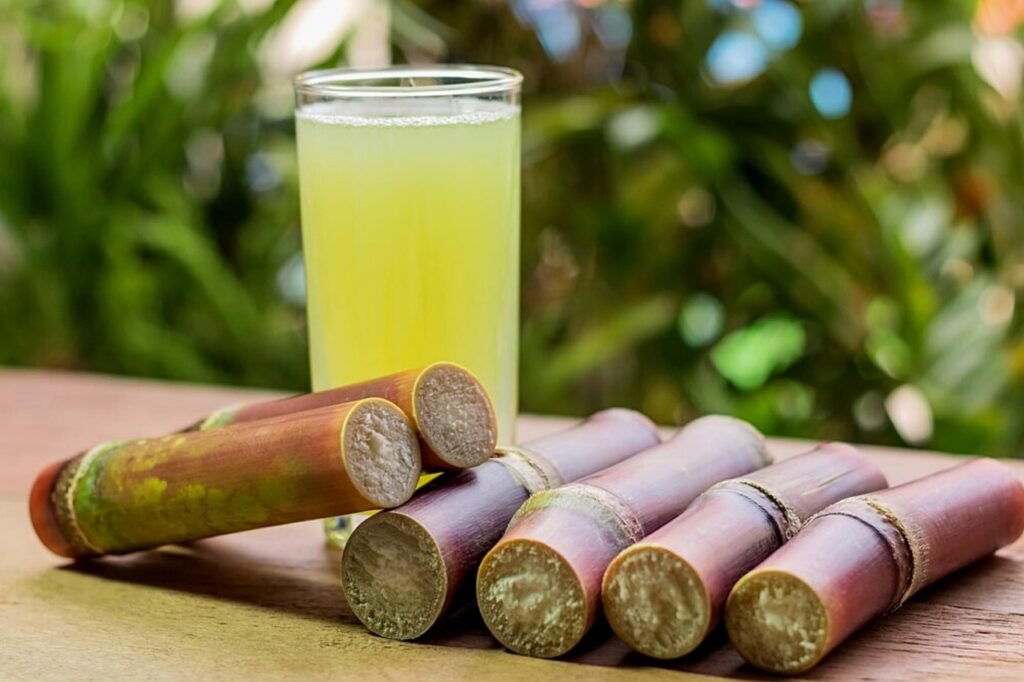
Introduction You think of Kenya and you picture wildlife safaris, grasslands savannahs, and breathtaking landscapes, but the local drinks just give a juicy tale. From centuries-old traditional beers to roadside fresh fruit juices in busy markets, Kenya’s beverage landscape mirrors its living culture, culinary practices, and varying climate. Whether visiting or as a resident looking for rejuvenating discoveries, this blog highlights the top Kenyan local beverages – ideal for cooling off on that sweltering summer, healthy energizing of the body, and soaking up Kenyan culture. Fresh sugarcane juice You can’t talk about drinks without mentioning fresh sugarcane juice. Majorly grown in the Rift valley, Western and Nyanza regions of Kenya, vendors crush the cane right before your eyes, producing a naturally sweet, mineral-rich drink. Sometimes mixed with ginger or lemon for an extra zing, this juice is a popular roadside refreshment. Why try it: full of natural minerals, wonderful on a hot day Where to get it: roadside vendors near bus stops, supermarkets Madafu (young coconut water) Madafu is a must-have on the Kenyan coast. Fresh madafu from palm trees is sold by roadside vendors and is a natural and healthy thirst quencher. Why try it: naturally sweet and hydrating Where to find it: stalls in and around Diani, Malindi, Lamu or Kilifi beaches Fresh juices The coastal and highland regions of Kenya are fertile producing a variety of juicy fruits ranging from mangoes, passion fruits, watermelons and pineapples. Why try it: has vitamins and antioxidants Where to find it: hotels, restaurants, street stands in local markets Kombucha A newer trend, kombucha, is gaining ground in Kenya’s urban centers. Local brands infuse them with tropical flavors like hibiscus and pineapple. Why give it a try: combines global health trends and Kenyan cuisine Where to try it: specialty health food stores, and online vendors like Think Organic Kenya Mursik (fermented milk) It’s a classic Kalenjin fermented milk, produced in gourds lined with soot. It’s special as a people symbol and for ceremonies when served. Why try it: it’s authentically Kenyan giving you a local experience Where to find it: local vendors areas of Uasin Gishu and Nandi counties Uji (porridge) Uji is a warm fermented porridge made from millet or sorghum flour. Though commonly served as breakfast, it doubles as a drink in many rural and urban homes. Why try it: packed with probiotics, fibre, and iron Where to get it: street stalls and roadside eateries Pro tip: look for ‘uji power’ stalls that have sweetened varieties Kenyan chai Kenyan black tea has grown in the global market making Kenya the world’s largest tea export country. Chai (tea) has black tea leaves, milk, sugar, and optional spices to add such as tea masala or cardamom. Why try it: inexpensive and truly Kenyan Where to find it: any kibanda, hotel, or café Local coffee Kenyan Arabica coffee is globally loved for its sharp fruity notes. Commonly grown in the central region of kenya such as Nyeri, Kirinyaga and western region parts of Bungoma with specialty coffee houses establishing around these areas. Why try it: experience the distinctive flavor profiles of the localities Where to get it: specialty houses like JavaHouse and ArtCaffe Muratina – traditional honey brew Muratina is a traditional alcoholic beverage from the Kikuyu community. Made from fermented honey and fruit of the wild ‘muratina’ tree it’s culturally consumed in ceremonies, and has gained wider popularity across the central regions of Kenya. Why try it: savor a taste of Kenya’s heritage Where to find it: rural homesteads, licensed local bars, or cultural functions How local Kenyan drinks stand out Cultural heritage: traditional drinks such as mursik and muratina from local communities shows the rich and diverse culture connecting modern Kenya to its past. Fresh produce: varying climate conditions in different regions and fertile lands produce nutritious fruits and herbs. Innovation: juice bars across urban centres are reinventing old favorite fruit juices and artisan cocktails. Conclusion: Taste your way around Kenya From traditional mursik to innovative kombucha, Kenya offers a variety of drinks that reflect its diverse culture, and geography and innovative minds. Exploring the best local drinks in Kenya means you quench your thirst and get to experience the country’s refreshing finds – one sip at a time.