Celebrating Kenya through food
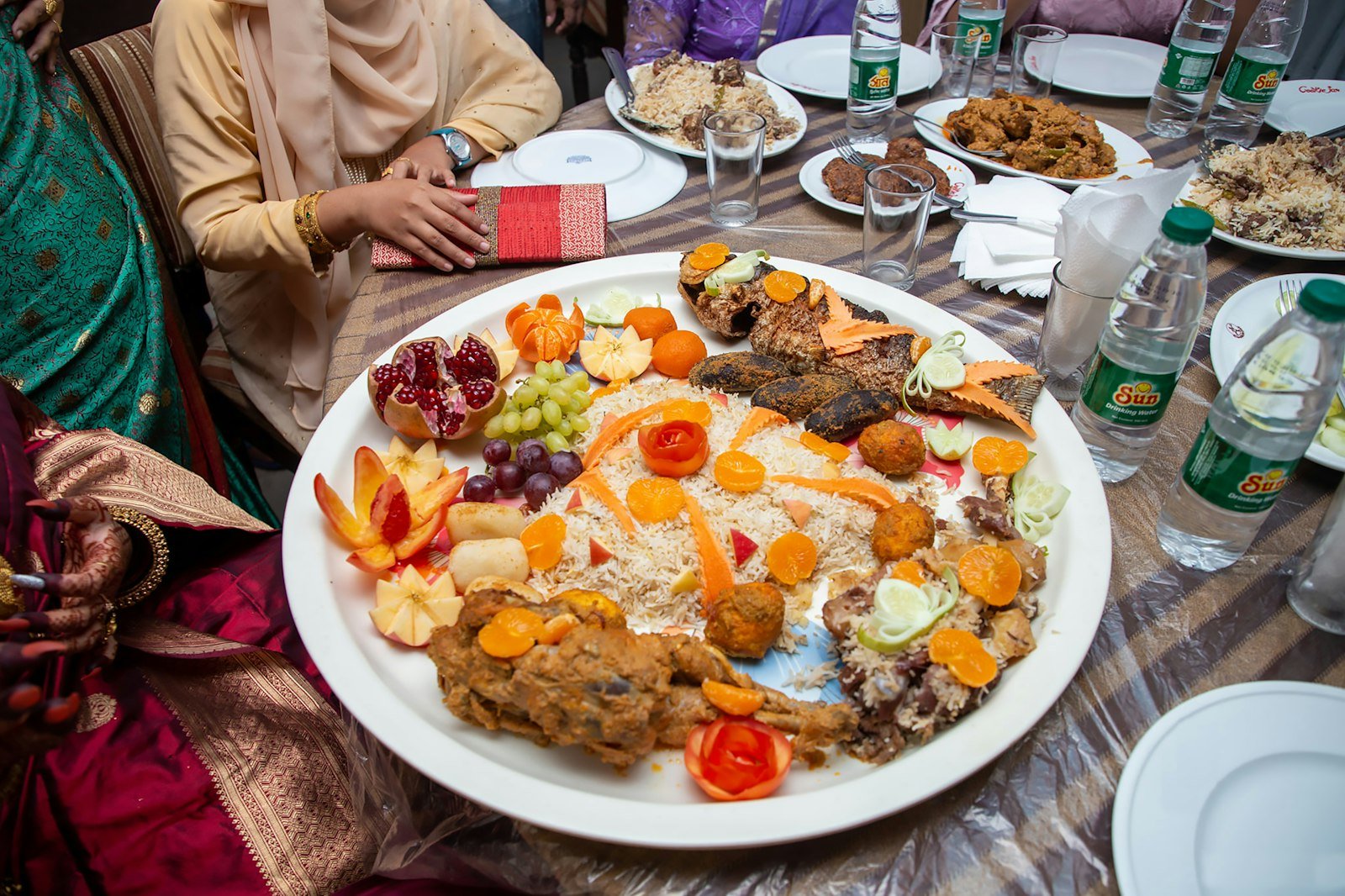
From cultural celebrations, Christmas, Eid, no celebration is complete without a hearty meal shared among family and friends. Kenyan festive foods bring people together in joy and tradition to celebrate these special moments. Food isn’t just nourishment – it’s a language expressing love, unity, and culture. Each celebration, each community adds its own touch, creating a vibrant mood that defines Kenya’s celebratory spirit.
Each festive food is unique from the aroma of spiced biryani through coastal homes to the smoky flavour of grilled nyama choma. Kenyan festivities tell their stories through food. Let’s explore Kenyan festive foods that make these celebrations truly unforgettable.
Christmas celebrations: A feast of family and flavor
December holidays in Kenya is mainly for one thing – Christmas. It’s a culinary affair that adds a modern twist to traditional dishes. Families in urban centers or cities travel to the countryside in advance to celebrate the holiday with loved ones.
Common dishes and drinks at Christmas include:
Pilau – this is the star of every festive table. It’s cooked with beef, chicken, or goat meat and spiced with cloves, cinnamon, cardamom for rich flavor.
Nyama choma – this is grilled meat especially goat or beef that symbolizes sharing and celebration. Often served with kachumbari (fresh tomato and onion salad) and ugali.
Chapati – it’s made in bulk during the holidays and paired with stew or beans.
Mukimo – a central Kenya favorite made of mashed potatoes, maize, and green – served alongside meat or stew.
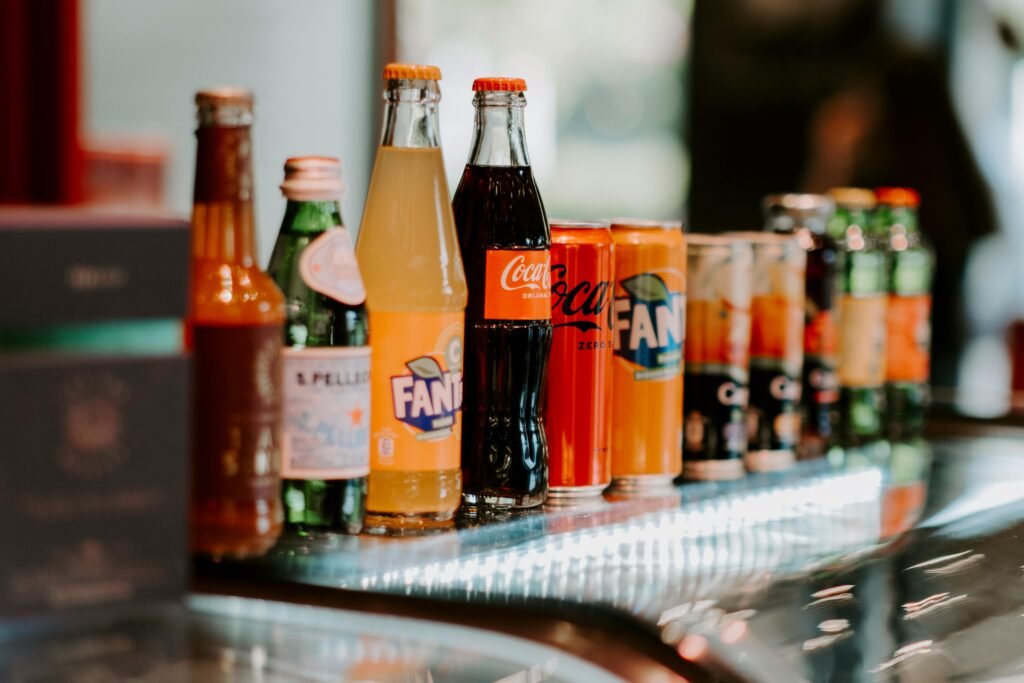
Fresh juice and soda – Christmas feature homemade mango or passion juice alongside the beloved coke and Fanta tradition drinks.
Families gather outdoors, children run around, and music plays as meals simmer. The food embodies the spirit of togetherness and gratitude.
Eid al-fitr and Eid al-Adha: Coastal delights and sweets treats
For the Muslim community in Kenya, Eid is marked by feasting after fasting – a burst of flavors, generosity, and hospitality. Popular Eid dishes and drinks include:
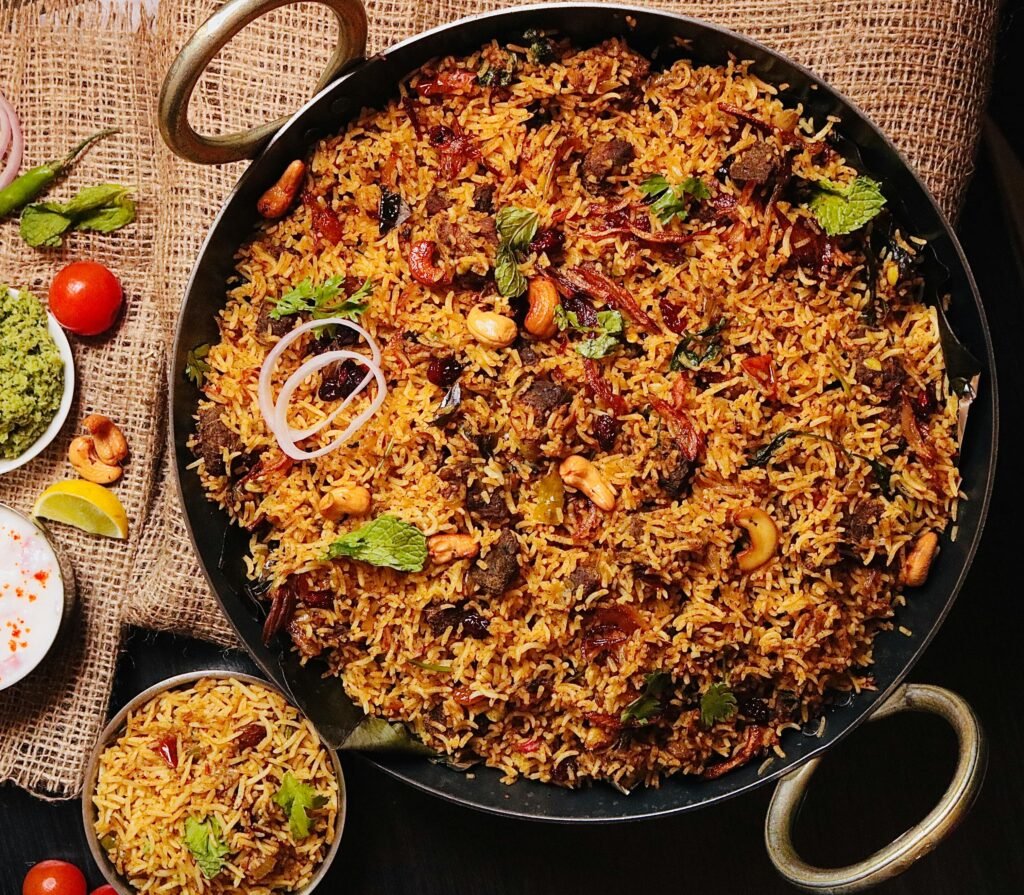
Swahili biryani – a delicious rice dish cooked in layers of spiced meat, potatoes, and saffron-infused rice.
Pilau – this is a must-have at any Eid table. It’s similar to biryani but quicker to cook. It’s cooked with beef, chicken, or goat meat and spiced with cloves, cinnamon, cardamom for rich flavour.
Mahamri and viazi karai – mahamri are sweet, cardamom-scented doughnuts and viazi karai is spiced potato fritters served as breakfast treats.
Mkate wa sinia – it’s a traditional rice cake rich in coconut flavour and served with tea.
Juices and sherbets – refreshing tamarind juice, mango juice, or coconut water accompanies the meal.
Eid celebrations in Mombasa, Lamu, and Malindi showcase Kenya’s Swahili culinary heritage – where Arabic, Indian, and African influences merge beautifully.
Weddings: A union of cultures and culinary traditions
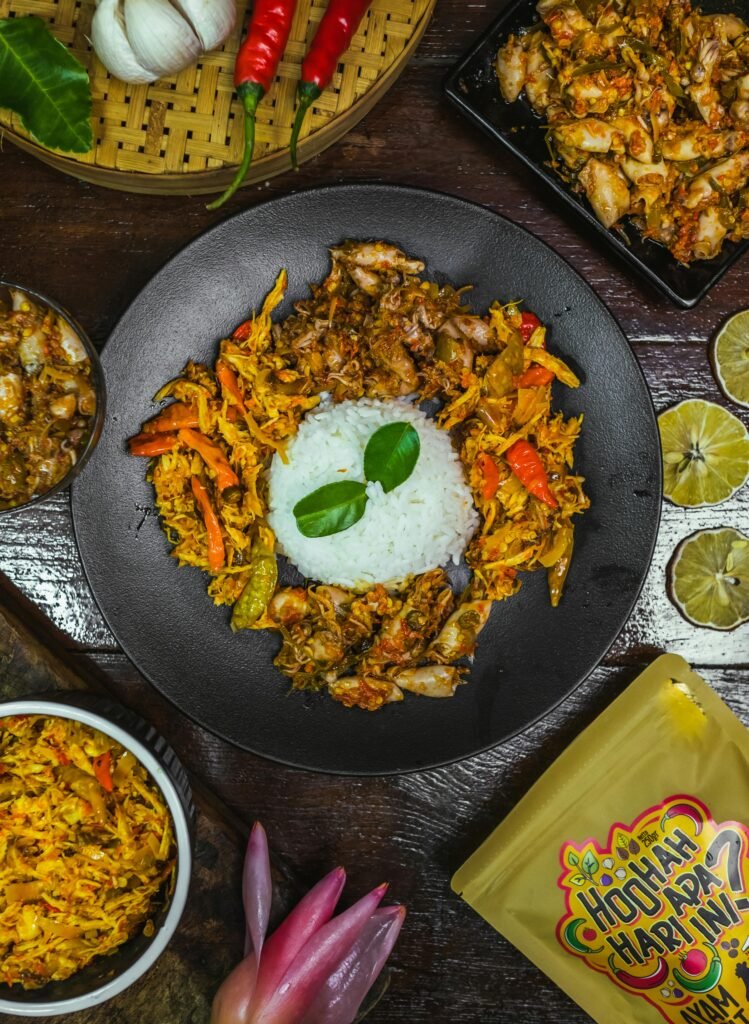
From Luhya to Kikuyu to Luo weddings, food plays an important role in uniting families. The feasts vary by region and culture. Popular wedding dishes:
Rice and stew – a staple at most weddings – often paired with peas or meat.
Chapati and nyama choma – favorites that appeal to all guests.
Irio – a Kikuyu dish for more traditional weddings that represent unity and simplicity.
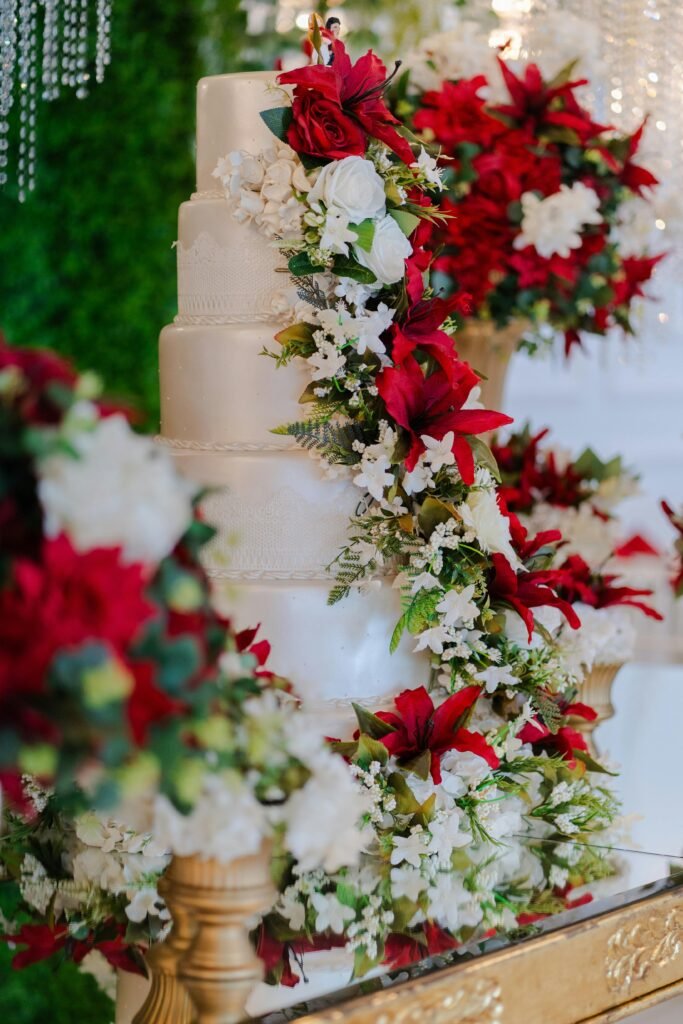
Fruit platters and cake – fresh tropical fruits and a multi-tiered wedding cake to mark the grand finale.
Kenyan weddings are about community as they are about the couple – food ensures everyone leaves full and happy.
Cultural ceremonies: Heritage on a plate
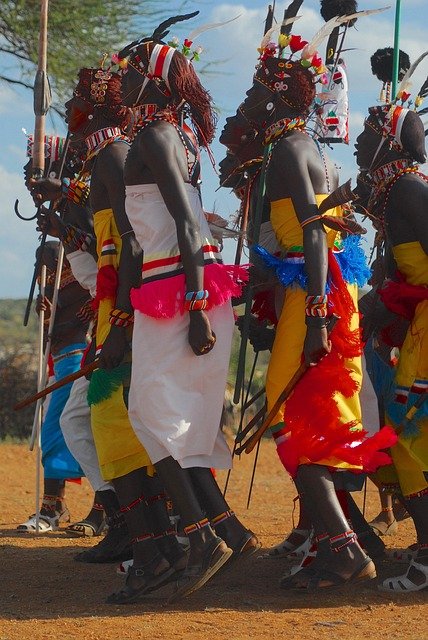
Kenya’s rich cultural diversity means every community celebrates uniquely – but food always connects the dots.
Luo celebrations – fish, especially tilapia whether fried or stewed with tomatoes and onions is a must-have.
Luhya celebrations – chicken also known as ingokho is a common staple served with ugali and traditional vegetables.
Kikuyu gatherings – mukimo, irio, and goat meat are popular dishes.
Kalenjin ceremonies – fermented milk (mursik) and roasted meat shared among families symbolizing purity and respect.
Each meal from various communities tells a story of belonging – recipes passed down from elders to the next generation
Importance of Kenya’s Festive Food
Kenyan festive foods is never just about eating – it’s about community and connection. Each celebration represents love, respect, and unity. Whether it’s in urban or rural areas, rich or simple dish, every meal brings people together.
- It keeps traditions and cultural ceremonies alive.
- It celebrates abundance after hard work.
- It strengthens family ties with loved ones and friends.
Conclusion
From coastal Swahili pilau to the countryside mursik, Kenya’s festive foods tell a story of belonging. Every plate reflects community, culture, and joy. Whether during Eid, weddings, or Christmas, Kenyans celebrate life through taste.
If you want to experience Kenya authentically, start with its food – each bite is a recipe passed down from generations of tradition and a taste of the nation’s heart. Ready to explore Kenya’s culinary traditions? Follow our Kenyan Food Journal for features on local dishes, hotspots and recipes that bring a taste of Kenya straight to your kitchen.