
Authentic Swahili Pilau Recipe: Step-by-Step Guide to Master Aromas
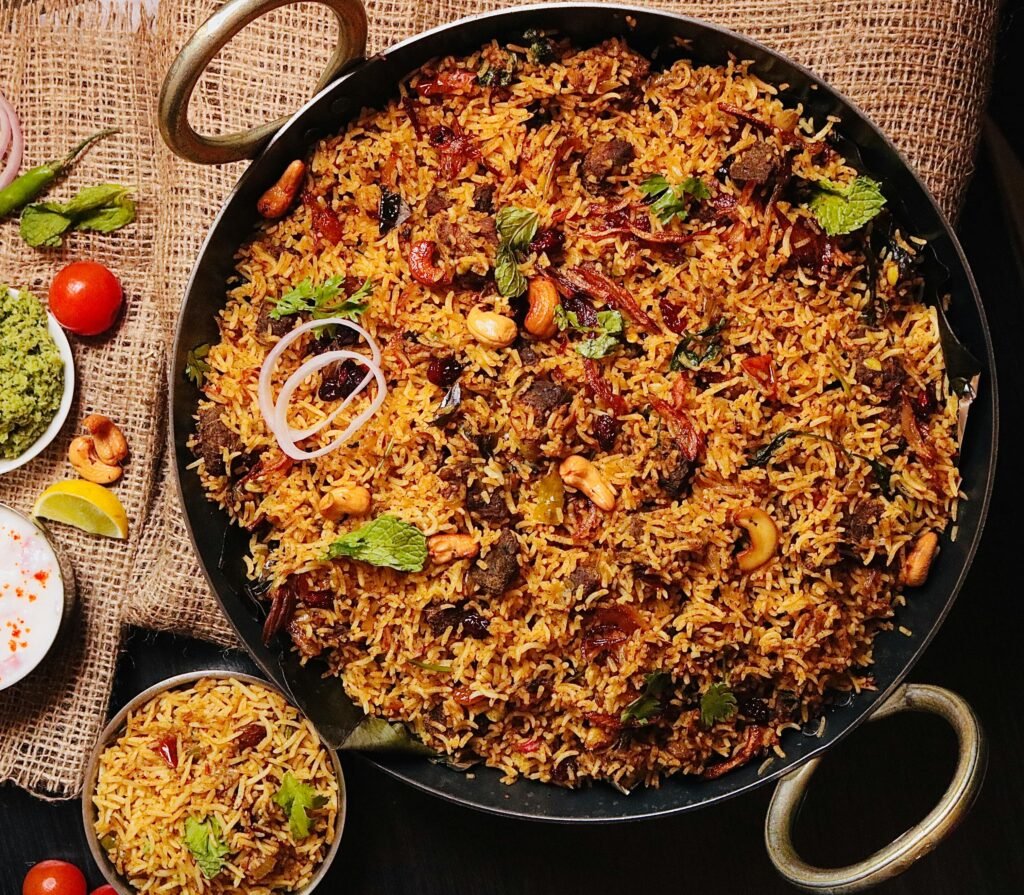
Few dishes capture the essence of Kenyan food quite like pilau does. Born along the Kenyan coast, pilau is rice and so much more – a celebratory dish made with aromatic spices, rich stocks, and centuries of Swahili cooking tradition. Popularly served at weddings, Eid festivals, or family gatherings. In this simple Swahili pilau recipe, we give you a step-by-step instruction through the process of preparing it and how to enjoy those wonderful aromas every time. So what makes Swahili pialu special? Unlike most rice dishes, pilau is prepared in spiced broth with distinct flavors from whole spices like cardamom pods, cinnamon sticks, cloves, cumin seeds, and black pepper corns. These spices are toasted before the rice and broth are added to give that deep, rich flavor. Typical ingredients used are either beef, goat meat or chicken but vegetarian substitutes are also much likeable. Ingredients Spices (the heart of pilau) 2 cinnamon sticks 6 cloves 6 cardamom pods 1 tablespoon cumin seeds 1 tbsp black peppercorns 1 bay leaf Main ingredients 2 cups long-grain basmati rice (rinsed and soaked for 30 minutes) 500g beef or goat 2 large onions (finely sliced) 3 tomatoes 2 garlics (crushed) 1 tablespoon of fresh ginger, grated 1-2 green chilies (optional for heat) 4 cups of beef or goat broth 3 tablespoons of cooking oil Salt, to taste Instructions Prepare the meat – Boil beef or goat until tender, reserving the broth for use while cooking rice. If using chicken, marinate in garlic and ginger instead of boiling. Toast the spices – Heat the oil or ghee in a heavy pan. Put in cumin, black pepper, cardamom, cloves, cinnamon, and bay leaf. Toast for 30-60 seconds for flavor. This releases their essential oils and prepares the basis of pilau’s unique aroma. Caramelize the onions – Add chopped onions in pan. Heat over medium heat until golden brown and caramelized. This is a crucial step – the onions give pilau its undertone and rich color. Construct the base – Add garlic, ginger, and chilies. Add tomatoes and simmer till the mixture thickens into a paste. This masala base gives a layer of flavour in each spoonful. Add the meat – Add your cooked beef or goat. Let it soak up the spices and tomato base for 5-10 minutes. Use chicken if preferred, and cook till lightly browned. Add rice and broth – Drain the rice which has been soaked and add to the pot. Stir gently to absorb the spice mixture. Add hot broth (two volumes of rice). Add salt to taste. Cook the rice – High heat, cook the rice until it comes to a boil. Lower the heat to low, cover with foil or a lid tightly and let it simmer for 20-25 minutes. Don’t stir – it gives fluffed out, separate grains. Rest and serve – lower the heat and let it rest for 10 minutes. Garnish with fresh coriander and serve hot with chutney or kachumbari (tomato-onion salad) Tips for perfect Swahili pilau Use basmati rice – Long grain and fragrance are best suited for pilau Caramelize. Don’t burn – Onions need to be golden, not blackened Let it rest – Let pilau rest before serving to allow proper absorption of flavours Customize – Experiment by adding potatoes, coconut milk or vegetable stock to add variety What makes pilau a favourite in Kenya? Cultural symbol: pilau is a staple in weddings, holidays, and festivals Shared experience: Always prepared in large pots for family and friends Versatility: Served with kachumbari, stews, or yoghurt-based accompaniments Conclusion Preparation of Swahili pilau the way it’s meant to be is a rewarding experience – each spice, each simmer, each whiff of the scent whisks you away to the Kenyan coast. Following this step-by-step guide, its easier to prepare it and achieve the fragrant flavors at home. Bring the unforgettable aroma of Swahili pilau recipe to your table.
Refreshing finds: Best Local Drinks in Kenya
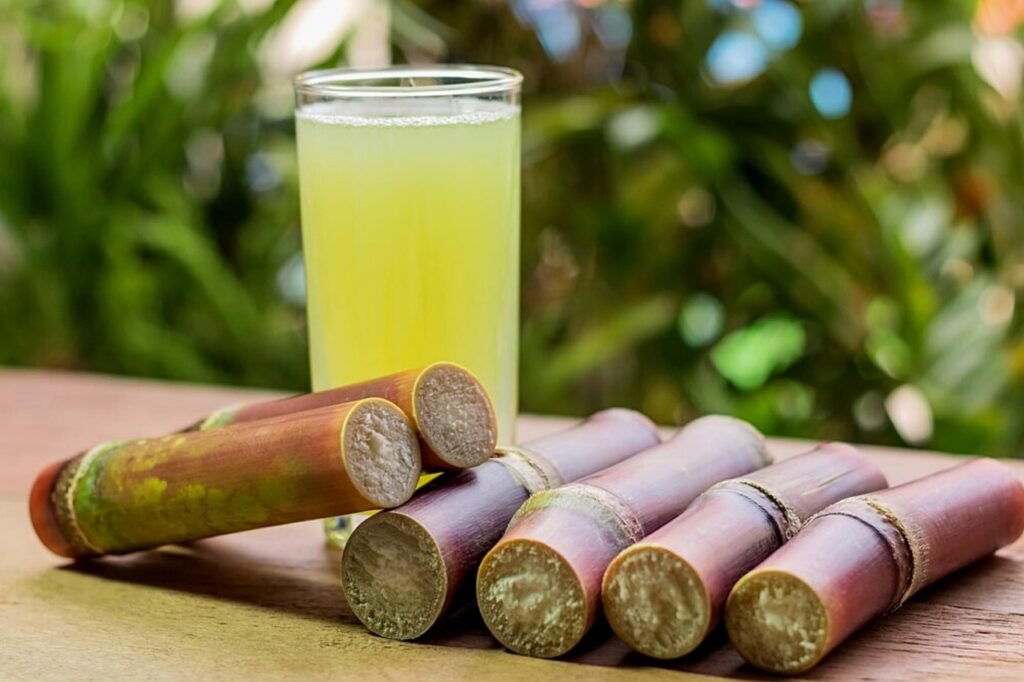
Introduction You think of Kenya and you picture wildlife safaris, grasslands savannahs, and breathtaking landscapes, but the local drinks just give a juicy tale. From centuries-old traditional beers to roadside fresh fruit juices in busy markets, Kenya’s beverage landscape mirrors its living culture, culinary practices, and varying climate. Whether visiting or as a resident looking for rejuvenating discoveries, this blog highlights the top Kenyan local beverages – ideal for cooling off on that sweltering summer, healthy energizing of the body, and soaking up Kenyan culture. Fresh sugarcane juice You can’t talk about drinks without mentioning fresh sugarcane juice. Majorly grown in the Rift valley, Western and Nyanza regions of Kenya, vendors crush the cane right before your eyes, producing a naturally sweet, mineral-rich drink. Sometimes mixed with ginger or lemon for an extra zing, this juice is a popular roadside refreshment. Why try it: full of natural minerals, wonderful on a hot day Where to get it: roadside vendors near bus stops, supermarkets Madafu (young coconut water) Madafu is a must-have on the Kenyan coast. Fresh madafu from palm trees is sold by roadside vendors and is a natural and healthy thirst quencher. Why try it: naturally sweet and hydrating Where to find it: stalls in and around Diani, Malindi, Lamu or Kilifi beaches Fresh juices The coastal and highland regions of Kenya are fertile producing a variety of juicy fruits ranging from mangoes, passion fruits, watermelons and pineapples. Why try it: has vitamins and antioxidants Where to find it: hotels, restaurants, street stands in local markets Kombucha A newer trend, kombucha, is gaining ground in Kenya’s urban centers. Local brands infuse them with tropical flavors like hibiscus and pineapple. Why give it a try: combines global health trends and Kenyan cuisine Where to try it: specialty health food stores, and online vendors like Think Organic Kenya Mursik (fermented milk) It’s a classic Kalenjin fermented milk, produced in gourds lined with soot. It’s special as a people symbol and for ceremonies when served. Why try it: it’s authentically Kenyan giving you a local experience Where to find it: local vendors areas of Uasin Gishu and Nandi counties Uji (porridge) Uji is a warm fermented porridge made from millet or sorghum flour. Though commonly served as breakfast, it doubles as a drink in many rural and urban homes. Why try it: packed with probiotics, fibre, and iron Where to get it: street stalls and roadside eateries Pro tip: look for ‘uji power’ stalls that have sweetened varieties Kenyan chai Kenyan black tea has grown in the global market making Kenya the world’s largest tea export country. Chai (tea) has black tea leaves, milk, sugar, and optional spices to add such as tea masala or cardamom. Why try it: inexpensive and truly Kenyan Where to find it: any kibanda, hotel, or café Local coffee Kenyan Arabica coffee is globally loved for its sharp fruity notes. Commonly grown in the central region of kenya such as Nyeri, Kirinyaga and western region parts of Bungoma with specialty coffee houses establishing around these areas. Why try it: experience the distinctive flavor profiles of the localities Where to get it: specialty houses like JavaHouse and ArtCaffe Muratina – traditional honey brew Muratina is a traditional alcoholic beverage from the Kikuyu community. Made from fermented honey and fruit of the wild ‘muratina’ tree it’s culturally consumed in ceremonies, and has gained wider popularity across the central regions of Kenya. Why try it: savor a taste of Kenya’s heritage Where to find it: rural homesteads, licensed local bars, or cultural functions How local Kenyan drinks stand out Cultural heritage: traditional drinks such as mursik and muratina from local communities shows the rich and diverse culture connecting modern Kenya to its past. Fresh produce: varying climate conditions in different regions and fertile lands produce nutritious fruits and herbs. Innovation: juice bars across urban centres are reinventing old favorite fruit juices and artisan cocktails. Conclusion: Taste your way around Kenya From traditional mursik to innovative kombucha, Kenya offers a variety of drinks that reflect its diverse culture, and geography and innovative minds. Exploring the best local drinks in Kenya means you quench your thirst and get to experience the country’s refreshing finds – one sip at a time.
Spicing up Kenya: The Role of Aromatics in Kenyan Cuisine
Kenyan cuisine blends culture and traditions shaped by native customs and centuries of coastal trade. Central to its rich culinary heritage is food aromatics used to spice up meals to provide rich flavor. Spices such as garlic, ginger, and cloves elevate plain food to exquisite tastes. This blog explores the role of aromatics in Kenyan cuisine, their cultural and nutritional significance and how they continue to shape kitchens across the country. Coastal influence the spice trail lives on Coastal trade from Arabs, Indians, and Persians introduced aromatic spices that are still used in preparation of meals. Some of these spices are: Cloves – they add an earthy warmth to biryani dishes and sweets. Cardamom (iliki) – its citrusy flavor adds an aroma in pilau and chai masala. Cumin seeds – add earthiness in vegetable dishes and curries. Coriander – its seeds and fresh leaves balances flavor in dishes. These spices are toasted or grounded to release essential oils that reminds us of ancient spice trade history in Kenya. The backbone of flavor in Kenyan cuisine These ingredients are used as a base in countless Kenyan cuisine: Ginger adds warmth and depth to stews and marinades. Garlic provides sharp, savory undertones that balance richer meats like goat or beef. Onions whether red or white when caremelized well, add sweetness in every meal. These spices are sautéed in oil at the beginning of cooking in order to form a flavorful base, essential in both traditional and modern cuisines. Regional aromatics and their uses Highlands: herbs and roots In central Kenya, locals lean on rosemary, thyme and ginger root to flavor beef, chicken, and vegetable soups. These herbs like cooler highlands climate and add freshness to strong meals Rift valley and western Kenya: chili heat Regions like Kisumu and Eldoret also have green chili and coriander fresh added to provide a kick in stews and grilled meat, which reflects the regions’ preference for strong, pungent flavors. Health benefits of aromatics Garlic increases immunity and heart well-being. Ginger supports digestion and reduction of inflammation. Cardamom helps in mouth freshness as well as digestion. Cinnamon regulates blood sugar levels. Cloves are rich in antioxidants and anti-inflammatory compounds. These spices are not only used to make meals more flavorful but also essential to overall health. FAQs Q1. What are aromatics? Aromatics are herbs and spices such as cardamom, cloves or onions that add flavor, depth, and fragrance to dishes. Q2. Which are the most commonly used spices? Garlic, coriander, cumin, cloves, chili both in traditional and modern cuisine. Q3. How do you use aromatics in meals? Aromatics are usually toasted or grounded at the start of cooking to form a flavorful base and season food like pilau or Q4. Where can I buy authentic aromatics in Kenya? One can find spices in local markets within their locality or neighboring regions. Conclusion From the coastal spices to daily dishes cooked in ginger and onions, these aromatics create the country’s cultural cuisine. Aromatics in Kenyan cuisine isn’t just about making meals flavorful but tells a story of history, culture, and well-being. Whether drinking spiced chai masala in Mombasa or eating pilau in the vibrant Nairobi city life, the contribution ofaromatics is undeniable.
Gourmet on Safari: Dining in the Wild Safari in Kenya
Evolution of safari dining in Kenya Over the past two decades, dining in the wild safari has changed drastically. What was once limited to simple camp meals, has now transformed to luxury lodges that now offer multi-course meals prepared by trained chefs, featuring both local and international cuisines. Organic food produces, from nearby farms, and freshly baked bread have become the standard. Partnerships with local farmers reduce lodges environmental footprint. This support not only enhances freshness but also improves the livelihood of communities around conservancies. Many safari operators like Ol Donyo lodge pride themselves on crafting exquisite menus that rival top restaurants in – all while being located in the wild savannah. For all adventure seekers and travelers out there, Kenya is synonymous with exhilarating game drives, wildlife, and vast savannahs. But beyond these animal safaris is one must-to-do experience –dining in the wild safari. Luxury lodges and camps are taking the wild experience to new heights with unforgettable surroundings under African skies. This blog takes you deep into Kenya’s luxury dining scene in the wild showing how they blend fine dining with the untamed beauty. Signature experiences: Dining under African sky Bush breakfast – start your morning with a breakfast spread as you view the plains and wonders of the savannah. Picture freshly squeezed orange juices and Kenyan chai (tea) while watching gazelles and zebras grazing nearby. Sundowner cocktails – enjoy premium champagne, signature cocktails and canapés with a beautiful view of the sun as it set over the Mara plains giving you that safari experience. Starlit dinners – enjoy personalized candle-lit dinners under the stars with wine or champagne on the side. Top chefs at these luxury safari lodges curate their menus around local meals through locally sourced ingredients as well as source premium ingredients for world-class dishes. Imagine spicy seafood coconut and lemon, lamb pieces marinated in local herbs, and vegetarian options. Most of these lodges have their own vegetable gardens which ensure fresh food on your plate. Lodges such as Segera Retreat and Cotter’s 1920 Safari Camp obtain their supplies from the local farms thus supporting the local communities. Notable safari dining spots in Kenya Angama Mara – offers a modern world-class dishes with Kenyan cuisine, one with breath-taking escarpment views surrounding you. Mahali Mazuri (Olare Motorogi Conservancy) – Get set to be pampered with sophisticated yet subtle dining with dinner and wine from the best cellars with highest international rating. Ol Donyo Lodge (Chyulu Hills) – known for bush meals under the stars and game feasts prepared by chefs. Segera Retreat (Laikipia) – offers menus curated around organic food and sustainable gourmet safari dining. Cottar’s 1920 Safari Camp – combines the 1920s ambience with the present day safari dining cuisine scene and bush dinners. High-end luxury lodges thrive on personalization. Delivering services and tailoring them to visitor’s preferences or style from meals to room services promotes a better brand image and precious memories. Lodges also boast of wine cellars stacked with brands from South Africa, Europe and even wine cellars in Kenya. Signature cocktails prepared infused with local herbs and other spirits with a more personal pairing can be upgraded by guests to enhance their experiences. The significance of gourmet safari meals Intensifies safari experience: dining is a highlight that competes with breathtaking scenery. Empowers local communities: hiring employees from local communities and buyingproduce from their farms empowers nearby villages. Highlights Kenyan diversity: international cuisine in its menus and interesting activities to be discovered Conclusion Kenya’s menu of gourmet safari is that good that you don’t have to settle for anything less while dining in the wild safari. The day may begin with breakfast as freshly squeezed orange juice in the middle of the savannah and at night as being in the open air with just a candle to light it up. Luxury resorts are turning scrumptious safari food on its head. With international cuisine and local cuisine served, these are the destinations that make your jungle vacation the best. Why not make your safari lunch an adventure in itself!
Kenyan Festive Foods: What Kenyans Eat during Celebrations
Celebrating Kenya through food From cultural celebrations, Christmas, Eid, no celebration is complete without a hearty meal shared among family and friends. Kenyan festive foods bring people together in joy and tradition to celebrate these special moments. Food isn’t just nourishment – it’s a language expressing love, unity, and culture. Each celebration, each community adds its own touch, creating a vibrant mood that defines Kenya’s celebratory spirit. Each festive food is unique from the aroma of spiced biryani through coastal homes to the smoky flavour of grilled nyama choma. Kenyan festivities tell their stories through food. Let’s explore Kenyan festive foods that make these celebrations truly unforgettable. Christmas celebrations: A feast of family and flavor December holidays in Kenya is mainly for one thing – Christmas. It’s a culinary affair that adds a modern twist to traditional dishes. Families in urban centers or cities travel to the countryside in advance to celebrate the holiday with loved ones. Common dishes and drinks at Christmas include: Pilau – this is the star of every festive table. It’s cooked with beef, chicken, or goat meat and spiced with cloves, cinnamon, cardamom for rich flavor. Nyama choma – this is grilled meat especially goat or beef that symbolizes sharing and celebration. Often served with kachumbari (fresh tomato and onion salad) and ugali. Chapati – it’s made in bulk during the holidays and paired with stew or beans. Mukimo – a central Kenya favorite made of mashed potatoes, maize, and green – served alongside meat or stew. Fresh juice and soda – Christmas feature homemade mango or passion juice alongside the beloved coke and Fanta tradition drinks. Families gather outdoors, children run around, and music plays as meals simmer. The food embodies the spirit of togetherness and gratitude. Eid al-fitr and Eid al-Adha: Coastal delights and sweets treats For the Muslim community in Kenya, Eid is marked by feasting after fasting – a burst of flavors, generosity, and hospitality. Popular Eid dishes and drinks include: Swahili biryani – a delicious rice dish cooked in layers of spiced meat, potatoes, and saffron-infused rice. Pilau – this is a must-have at any Eid table. It’s similar to biryani but quicker to cook. It’s cooked with beef, chicken, or goat meat and spiced with cloves, cinnamon, cardamom for rich flavour. Mahamri and viazi karai – mahamri are sweet, cardamom-scented doughnuts and viazi karai is spiced potato fritters served as breakfast treats. Mkate wa sinia – it’s a traditional rice cake rich in coconut flavour and served with tea. Juices and sherbets – refreshing tamarind juice, mango juice, or coconut water accompanies the meal. Eid celebrations in Mombasa, Lamu, and Malindi showcase Kenya’s Swahili culinary heritage – where Arabic, Indian, and African influences merge beautifully. Weddings: A union of cultures and culinary traditions From Luhya to Kikuyu to Luo weddings, food plays an important role in uniting families. The feasts vary by region and culture. Popular wedding dishes: Rice and stew – a staple at most weddings – often paired with peas or meat. Chapati and nyama choma – favorites that appeal to all guests. Irio – a Kikuyu dish for more traditional weddings that represent unity and simplicity. Fruit platters and cake – fresh tropical fruits and a multi-tiered wedding cake to mark the grand finale. Kenyan weddings are about community as they are about the couple – food ensures everyone leaves full and happy. Cultural ceremonies: Heritage on a plate Kenya’s rich cultural diversity means every community celebrates uniquely – but food always connects the dots. Luo celebrations – fish, especially tilapia whether fried or stewed with tomatoes and onions is a must-have. Luhya celebrations – chicken also known as ingokho is a common staple served with ugali and traditional vegetables. Kikuyu gatherings – mukimo, irio, and goat meat are popular dishes. Kalenjin ceremonies – fermented milk (mursik) and roasted meat shared among families symbolizing purity and respect. Each meal from various communities tells a story of belonging – recipes passed down from elders to the next generation Importance of Kenya’s Festive Food Kenyan festive foods is never just about eating – it’s about community and connection. Each celebration represents love, respect, and unity. Whether it’s in urban or rural areas, rich or simple dish, every meal brings people together. It keeps traditions and cultural ceremonies alive. It celebrates abundance after hard work. It strengthens family ties with loved ones and friends. Conclusion From coastal Swahili pilau to the countryside mursik, Kenya’s festive foods tell a story of belonging. Every plate reflects community, culture, and joy. Whether during Eid, weddings, or Christmas, Kenyans celebrate life through taste. If you want to experience Kenya authentically, start with its food – each bite is a recipe passed down from generations of tradition and a taste of the nation’s heart. Ready to explore Kenya’s culinary traditions? Follow our Kenyan Food Journal for features on local dishes, hotspots and recipes that bring a taste of Kenya straight to your kitchen.
The Rise of Artisanal Bakeries in Nairobi
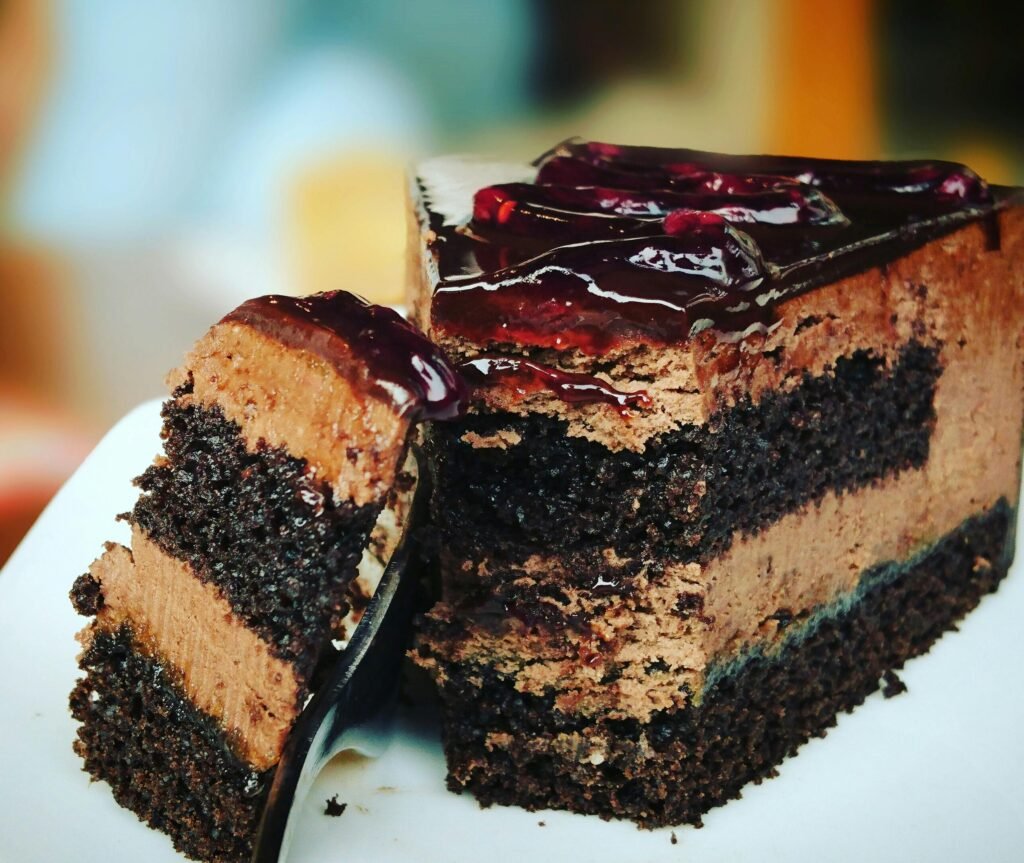
Introduction Over the last decade, artisanal bakeries have revolutionized the food industry in Nairobi. The city is experiencing a new wave of mass-produced and pastry-dominated treats to a renaissance of handmade and high-quality baked goods. These bakeries strive for creativity and innovation from global recipes and traditional methods, organic ingredients to ensure they are also on par with international quality. Why artisanal bakeries stand out? Artisanal bakeries have become unique due to: Craftsmanship: baked goods are handmade in small batches to ensure perfect texture and taste. Premium ingredients: they use high-quality ingredients from flour, eggs, butter and natural flavors. Distinctive flavors: bold experimentation using local and international flavors. Freshness: most baked goods are baked fresh every day to maintain peak quality. In a city where young professionals and healthy consumers are looking for superior alternatives, these characteristics have turned artisan bakeries into the new Nairobi stars of food culture. Highlight: The Cookie Bar Kenya One artisanal bakery that has pushed for gourmet cookies to redefining homemade treats is The Cookie Bar. It’s the go-to brand for those who crave fresh and gourmet cookies. It has a skilled team of bakers to ensure perfect texture and flavor with each batch. Why The Cookie Bar Kenya stands out Unique flavors: their menu reflects both tradition and modern innovation of cookies from the famous chocolate chip cookie, red velvet to gluten-free and vegan options. Premium quality: each batch of cookies made is handcrafted with high-quality ingredients to give a savoring indulgence. Community building: they have built a loyal customer following by establishing a brand that not only bakes gourmet cookies but also bakes a story that resonates with Nairobi’s modern cookie lovers. The Cookie Bar perfectly embodies the artisanal baking spirit; passion, creativity, authenticity. It’s a brand that combines local flavors with global inspirations. Notable Artisanal Bakeries in Nairobi Artisan Bakers Nairobi- Known for sourdough and rustic breads Le Grenier a Pain – A bakery inspired by French with specialty in baguettes and croissants, ideal for anyone who yearns for real European baked foods. Cake city – Venturing into hand-baked cakes and pastry. Boho bakery and eatery – An environment-friendly café with an attached bakery section that specializes in healthy bread and vegan dessert items. The Cookie Bar Kenya – Transcending cookies into a gourmet delicacy. Conclusion: the future of artisanal bakeries The demand for premium and gourmet baked goods is increasing and the trend does not seem to stop. With increasing numbers of Kenyans health-conscious of what they consume, high-end, Instagram-friendly food, are going to be doing well in the long term. Operators such as The Cookie Bar Kenya are setting the tone, demonstrating that baking is not just about the end product – it’s about the experience. Nairobi is positioning itself as the hub of East Africa’s high-end, creative, sustainable baking culture.
Simple Chapati Recipe
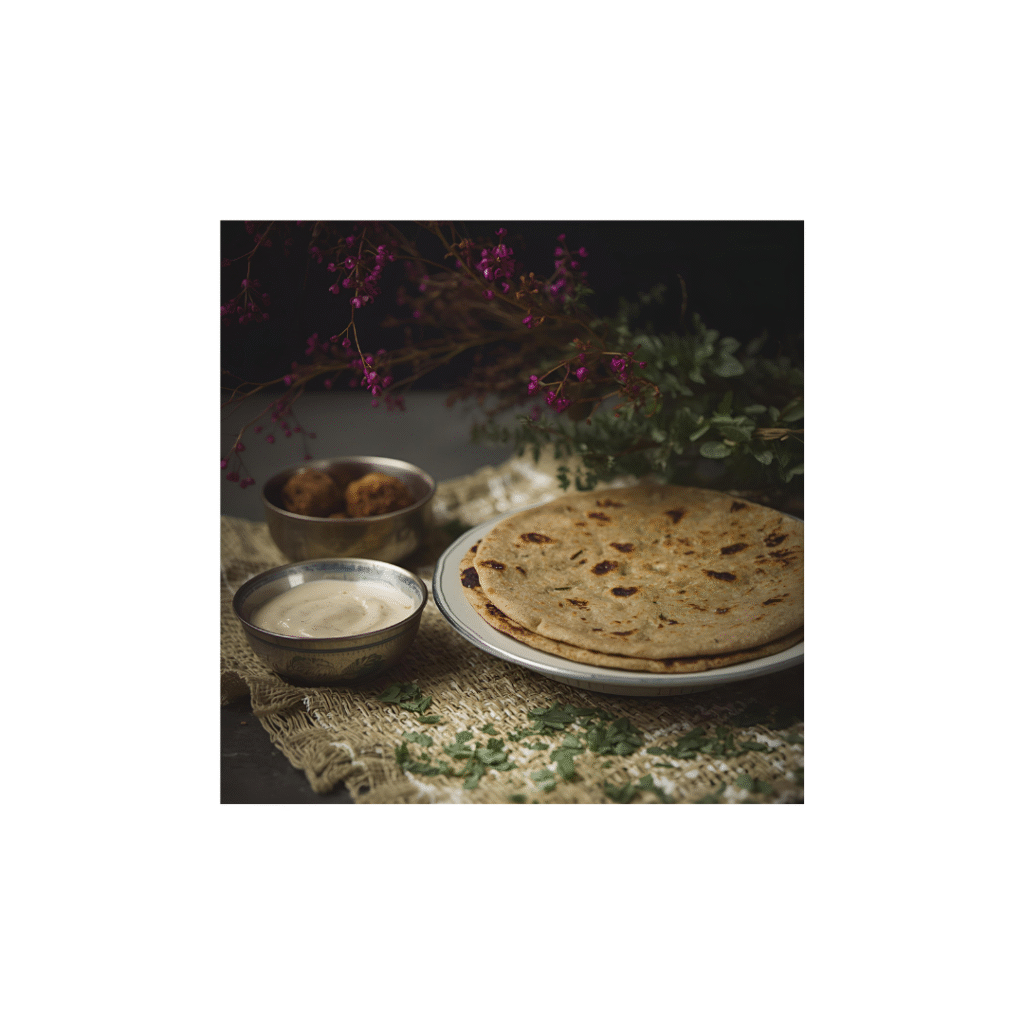
Why is chapati special? Kenyan chapati is a staple across all of East Africa. Commonly served as a side dish or accompanied by a steaming cup of chai. The right tips makes it easy to prepare at home especially when most people believe it’s too complicated. Compared to other flat breads like roti and paratha, chapati’s golden layers and slight chewiness makes it unique. It is popularly served in celebrations like weddings, festive seasons like Christmas or during family gatherings. By the end of this blog, you’ll be able to make chapati that is soft and rich in taste. Ingredients For 8 chapatis you’ll need: 3 cups of all-purpose wheat flour (sifted) 1 cup warm water (adjust when needed) 2 tablespoon vegetable oil (for dough) 1 tablespoon of salt Extra flour (to dust) Extra oil (to cook) Instructions Make the dough – in a large bowl mix the flour, salt, and oil. Add warm little by little while kneading the dough. Make sure the dough is soft and not sticky (takes about 10 minutes). After kneading, cover the bowl with a cloth and let it rest for at least 30 minutes as this helps gluten develop and make chapati soft. Divide and roll out – after resting, roll out the dough and divide it into equal balls (about the size of a golf ball). Lightly flour your surface. Roll each ball into thin round disc. Pan fry the chapatis – heat a non-stick pan on medium heat. Place the rolled dough on the hot pan. Brush a little oil and cook till golden brown on both sides. Keep repeating with the remaining dough. Pro tips for soft, fluffy chapati · Use warm water in kneading the dough – it will make chapati softer · Rest the dough for minimum 30 minutes · Don’t over roll. Chapati should be thin but not paper thin; too thin and they dry out · Medium heat is crucial. High heat burns chapati before they cook inside · Brush with oil after flipping. This keeps the chapati moist and releases flavor. Chapati is a versatile meal – have it with chicken, beef or vegetable stew, beans, or ndengu (green grams), or a cup of Kenyan Chai. This makes chapatti fulfilling, flavorful and an affordable meal for any time. Conclusion Making chapati doesn’t need to be complicated. With the right ingredients, and a few tips makes it simple to understand in order to prepare a soft and fluffy chapati. You can make it the traditional way or try out different techniques like coconut or stuffed chapati in the comfort of your home. From this simple tips, you’ll understand why it’s a favorite across East Africa. Roll up your sleeves and make your own chapati from scratch.
Biryani Recipe: Layers of Spice & Flavor
The Magic of Biryani Biryani is the heart of Kenyan coastal cuisine. Inherent in a mixture of Arabic, South Asian and East African influences, it is as much about the technique as it is about taste. Learn about spices, and layering that keeps the tradition alive – this is a celebration of culture, aromas and taste. In this blog we’ll walk through an authentic biryani recipe, uncovering the secrets behind its unforgettable taste and tips to help your dish. What makes Biryani special Biryani is identified in its layers: • Tasteful meat (chicken, beef, lamb, goat) • Aromatic rice is cooked in seasoned stock • Aromatic spices like cardamom, cinnamon and cloves • Garnishes of caramelized onions, fresh coriander and fried potatoes These elements combine to make a dish that is visually stunning, richly aromatic and deeply satisfying. Ingredients For the meat marinade 1kg chicken, beef, or goat (cut into medium chunks) 2 large onions (sliced thin) 4 cloves garlic (crushed) 2-inch piece ginger (grated) 2 tsp garam masala 1 tsp of cumin powder 1 tsp coriander powder 1 tsp turmeric 1 tsp chili powder (optional, for heat) Juice of 1 lemon 3 tbsp cooking oil Salt to taste For the rice 3 cups basmati rice 5 cups of water (or stocked from boiled meat if suing beef/goat) 2 cardamom pods 1 cinnamon stick 3 cloves 1 bay leaf A pinch of saffron (1 teaspoon of turmeric for color) Salt to taste Garnishes Fried onions (golden brown, crispy) Fresh coriander leaves Fried potatoes (optional but traditional in Swahili Biryani) Step-by-step instructions Marinate the meat- Add garlic, lemon juice, ginger and spices in a bowl. Coat the meat well and refrigerate for at least 2 hours for deep flavor. Cook the meat- Heat oil in a large sufuria (cooking pot). Add sliced onions and fry until golden brown. Add marinated meat and cook until tender, stirring occasionally. If using beef or goat, boil with a little water until the meat is soft. Prepare rice – Wash basmati rice until water becomes clear to remove excess starch. Boil water (or stock) adding full spices and salt. Cook rice until its 70% done- firm but not mushy. Drain excess water. Layer the biryani- In a heavy bottomed pot, start layering: A thin layer of rice A layer of cooked meat Repeat until all ingredients are used. Sprinkle saffron-infused milk or turmeric water over the top layer rice for color Dum cooking (steaming) – Cover the pot tightly (sealed with foil). Cook on low heat for 20-25 minutes, allowing taste to infuse and rice to finish cooking. Garnish and serve- Top with fried onions, fresh coriander and optional fried potatoes. Serve hot with kachumbari, and a side of spicy chutney. Tips for Perfect Biryani Rice texture: Always parboil rice; Overcooked rice before layering will ruin the dish Meat choice: Chicken cooks faster, while goats and beef develop deeper flavor Spice Balance: Toast Spices to release oil lightly and intensify the aroma Dum method: Low heat is key- too high and the bottom will burn, too low and the rice won’t steam properly Unlike quick one-pot rice dishes, this method preserves the layered character that makes biryani luxurious and festive. It is a dish to impress guests, mark special occasions or simply enjoy a delicious food at home. Mastering biryani brings the heart of Kenya’s Swahili coast directly to your table.