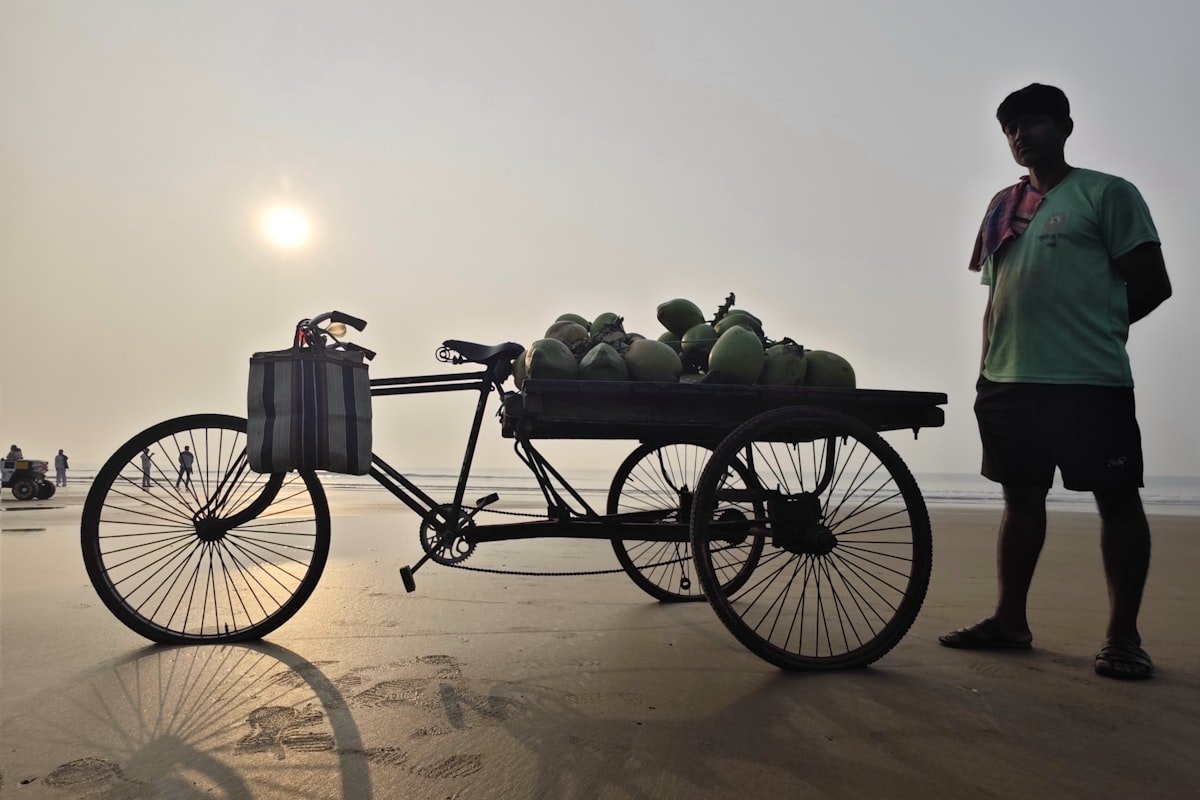
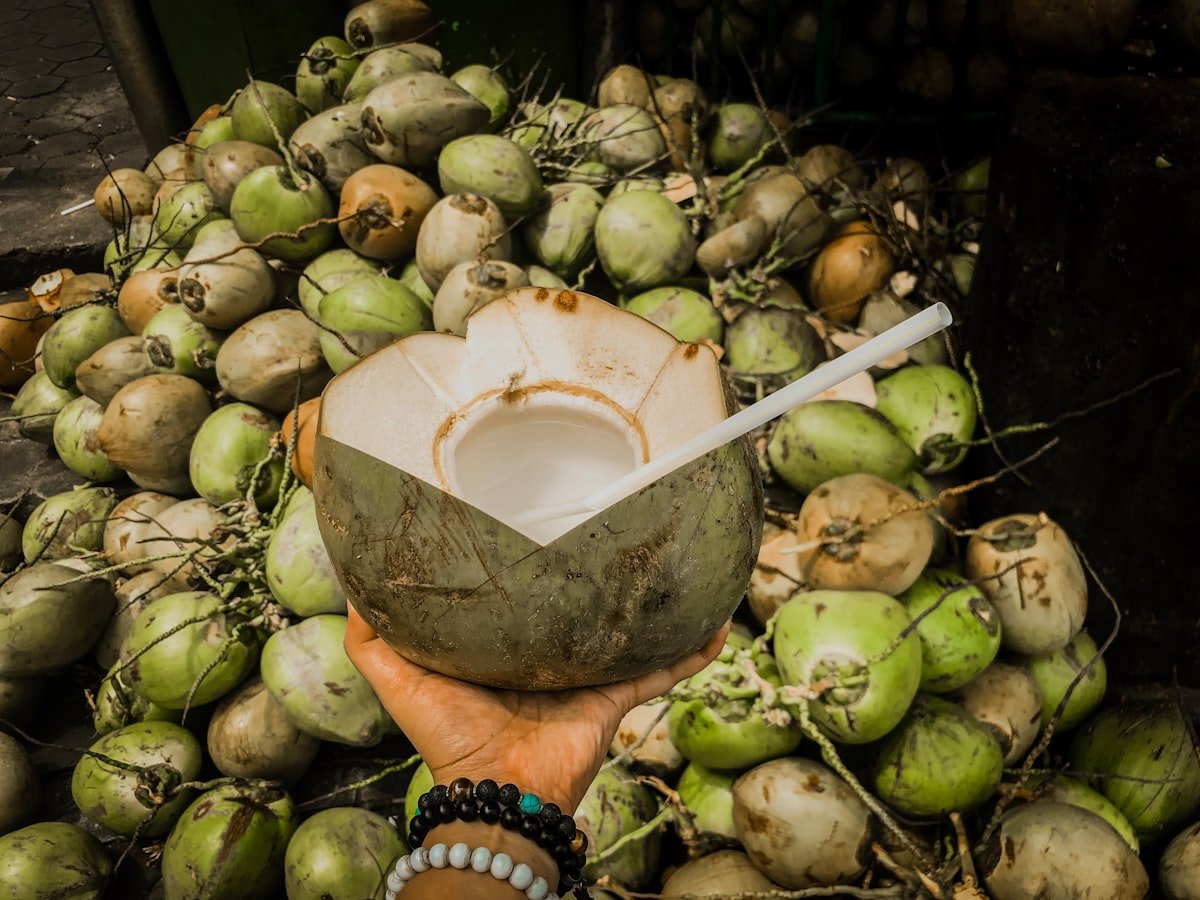
Walk along any stretch of the Kenyan coast in the late morning and you will hear it before you see it: the rhythmic thwack of a panga slicing through a green coconut shell. The vendor passes you the husked nut with a straw poking through the soft top, and inside is madafu, the Swahili coast’s most iconic refreshment. From Mombasa’s Old Town to Diani’s white sand beaches, madafu is more than a drink. It is hospitality, hydration, and a centuries-old tradition served straight from the tree.
What Is Madafu?
Madafu (also spelled madhafu) is the Swahili word for the water of an immature green coconut. The nut is harvested before the meat hardens, when the inside is still mostly liquid — a clear, slightly sweet, slightly salty water that locals along Kenya’s coast have been drinking for generations. It is the natural electrolyte drink of the Swahili coast, sold by roadside vendors from Lamu in the north to Vanga at the Tanzania border.
The word madafu is plural; a single young coconut is called dafu. In coastal Kenyan slang, asking for “a dafu” gets you one nut, while “madafu mbili” means two. Vendors typically charge between 50 and 150 Kenyan shillings depending on the size and the location — coastal villages charge less, beach resort areas charge more.
The Cultural Roots of Madafu on the Swahili Coast
Coconut palms have lined the Kenyan coast since at least the 9th century, brought through Indian Ocean trade routes that connected the Swahili city-states with Arabia, Persia, and India. By the time the famous Mombasa port was thriving, coconuts were a staple of East African cuisine — not just for cooking, but for drinking.
For coastal communities, madafu was the everyday beverage long before bottled water arrived. Fishermen carried young coconuts on dhows for the crossing to Lamu. Mothers gave dafu water to children with stomach upsets. Visitors arriving at a Swahili home were often handed a freshly-cut coconut as a welcome gesture, the same way tea is offered up-country. The tradition continues today: when I am back in Mombasa visiting family, the first stop after the airport is always a roadside madafu vendor on Mombasa-Malindi Road.
What Madafu Tastes Like
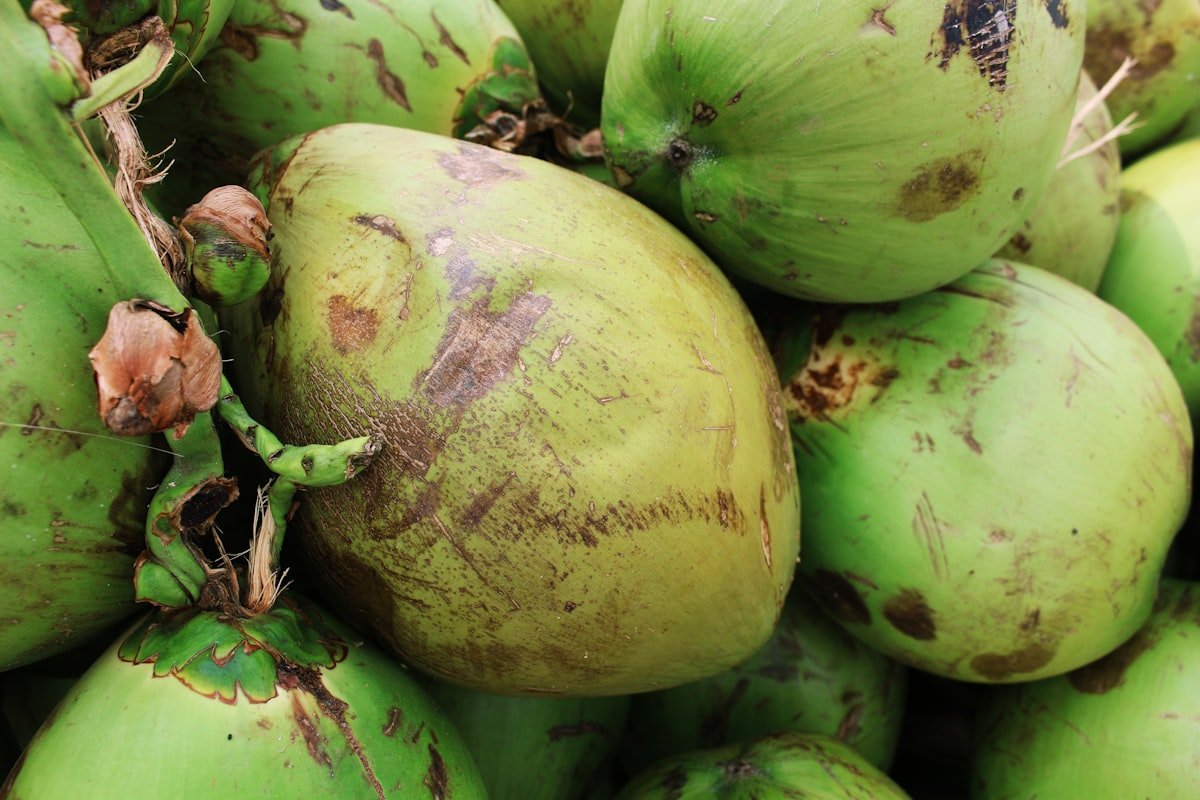
If you have only had packaged coconut water from a carton, fresh madafu is a different experience. The flavour is delicate — never as sweet as commercial brands, with a clean mineral finish and a faint nutty note from the shell. Younger nuts taste lighter and slightly tangy. Slightly older nuts have a gentle sweetness and a thin layer of soft, jelly-like flesh inside that you scoop out with a spoon (or a sliver of the husk the vendor cuts for you).
Coastal Kenyans rate madafu by colour and weight. A heavy, fully-green nut means lots of water; a yellowing nut means the meat is hardening and the water is past its prime. Good vendors will tap the shell, listen to the slosh, and pick the right one for you.
Health Benefits Kenyans Have Always Known
Long before “coconut water” became a wellness trend in Western supermarkets, Kenyan coastal communities understood its value. Madafu is naturally rich in potassium, magnesium, and sodium — making it one of nature’s best electrolyte drinks for the humid coastal heat. The World Health Organization recommends fluids and electrolytes for rehydration in tropical climates, and madafu fits the bill perfectly.
Locally, dafu water is used as a folk remedy for:
- Dehydration after a long day in the sun or fishing trip
- Stomach upsets — mild cases of indigestion or diarrhoea
- Hangovers — the morning-after drink of choice in Mombasa
- Pregnancy nausea — gentle on the stomach for expecting mothers
One small dafu (about 250-300ml) gives you roughly 45-60 calories, almost no fat, and more potassium than a banana.
Where to Find the Best Madafu in Kenya
If you are visiting the coast and want the real thing, head to these spots:
Mombasa
Mama Ngina Drive in the late afternoon is madafu central — vendors line the seafront walk, and the breeze coming off the Indian Ocean makes a fresh dafu the perfect pairing. Likoni Ferry crossing has stalls on both sides too.
Diani Beach
Vendors patrol the sand near most of the major resorts. Expect to pay 100-150 shillings here. For more honest pricing, walk to the Diani shopping centre roundabout where local vendors gather. (Read our Diani Beach food guide for more coastal eats.)
Lamu
The freshest madafu in Kenya, in my opinion. Lamu’s coconut palms are everywhere and supply is constant. Pick one up at the seafront before catching a dhow.
Watamu and Malindi
Roadside stalls along the Mombasa-Malindi highway sell madafu by the dozen if you are stocking up for a beach day.
How to Open a Coconut for Madafu at Home
You don’t need to live on the coast to enjoy madafu. Green coconuts are increasingly available at Nairobi markets like City Market and at coastal-themed restaurants in Westlands. Here is how to open one at home using a sturdy knife (no machete required):
- Stand the coconut upright on a stable cutting board, pointed end up.
- Using the heel of a heavy chef’s knife, score a square shape into the top, making firm chops to cut about 2cm deep.
- Pry open the scored square — it should pop off as a lid.
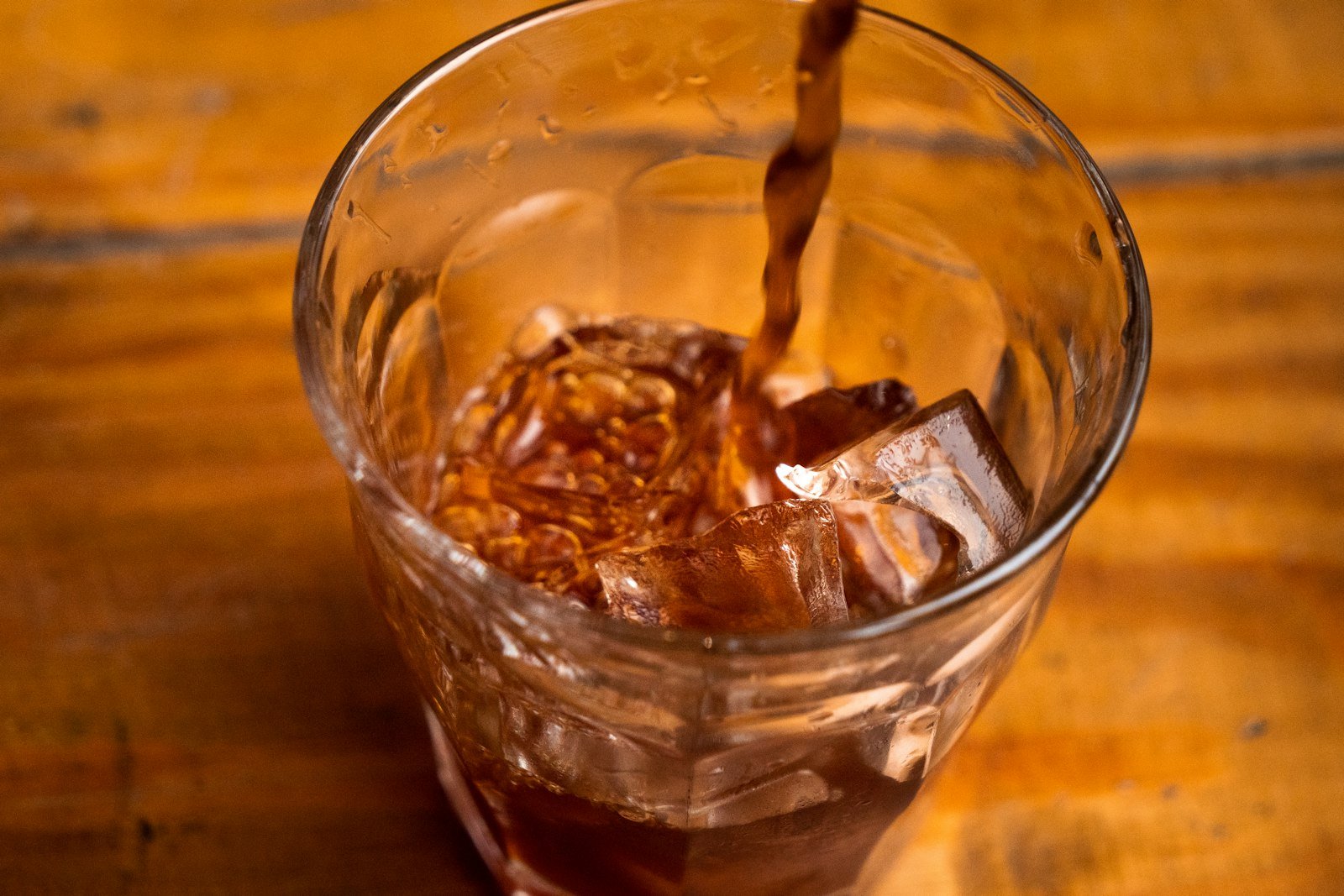
- Insert a straw and drink straight from the nut, or pour the water into a glass over ice.
- Once empty, split the nut open with a single firm whack to scoop out the soft jelly inside.
Drink within a few hours of opening for the best taste. Refrigerate any leftover water in a sealed jar for up to 24 hours.
Madafu Cocktails: A Modern Coastal Twist
Nairobi and Mombasa bars have been getting creative with madafu in recent years. Try these simple combinations at home:
- Madafu Mojito — madafu water, fresh mint, lime, sugar, white rum
- Coast Sunset — madafu, pineapple juice, a splash of grenadine, white rum
- Pink Madafu — madafu water topped up with hibiscus tea (karkade) for colour and tang
- Madafu Smoothie — blend madafu water with frozen mango, banana, and a squeeze of lime
Frequently Asked Questions About Madafu
Is madafu the same as coconut water?
Yes. Madafu is the Swahili term for the water of a young, green coconut — the same product sold in cartons as “coconut water.” The fresh version straight from the shell tastes lighter and less sweet than packaged versions because no preservatives or added flavours are involved.
How much does madafu cost in Kenya?
A single madafu typically costs between 50 and 150 Kenyan shillings. Local vendors in coastal villages charge the lower end; tourist-area beach vendors charge more. Hotel bars often charge 200-300 shillings.
Can I drink madafu every day?
Yes, in moderation. One to two coconuts a day is generally safe and beneficial for hydration. People with kidney issues or those on potassium-restricted diets should check with a doctor since madafu is high in potassium.
Where can I buy madafu in Nairobi?
Try City Market in the CBD, Toi Market, and Westlands fruit vendors. Some Nairobi supermarkets also stock fresh young coconuts. Coastal-themed restaurants in Karen and Lavington often serve fresh madafu on their drinks menus.
From the dhows of Lamu to the beach bars of Diani, madafu has carried the Swahili coast through centuries of heat, hospitality, and history. Next time you find yourself in coastal Kenya — or you spot a green coconut in your local market — skip the bottled drink and go for the real thing. There is nothing else quite like cracking open a fresh dafu and taking that first cool sip.