
Kenya goes Green: The Rise of Organic Food Markets
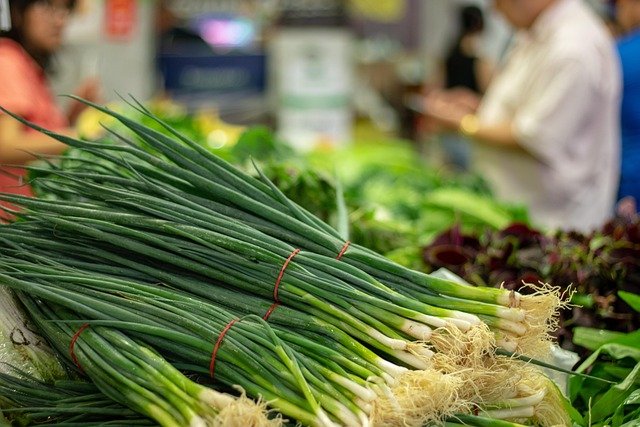
Introduction The conversation around healthy diet has evolved in Kenya. No longer just a niche interest, organic food markets in Kenya are on the surge – driven by rising health wellness, regulatory frameworks, and changing consumer preferences. From bustling Nairobi farmers markets, food delivery apps and services to supermarkets, the green wave of organic food is on the rise. In this blog we explore the driving factors behind the rise of organic food markets, challenges faced and future plans for growth. Key data and growth trends Recent data and survey reports done in the organic agricultural market in Kenya is shows a tremendous growth. A 2024 data report on Kenya Organic Data Survey by the Kenya Organic Agriculture Network (KOAN), showed that the number of certified organic producers increased from 54,386 to 62,626 in 2023. The report also shows how the number of organic farms grew from about 1168,412 hectares in 2021 to 171,298 in 2023. The variety of organic products expanded in three broad categories; organic vegetables, fruits, fibres and tubers. Vegetables lead with 222 products out of 347 listed organic varieties. These figures suggest a growing market where both supply and demand are scaling up. Reasons for expansion of organic food markets So what’s fueling the rise? Health consciousness: the risks of chemical use in agriculture on consumer health is driving the change to more organic, healthier meals. Demand for healthy foods is on the rise in Kenya especially among urban dwellers. Regulatory and certification frameworks: organisations like KOAN, Kilimohai Organic certification and the East Africa Organic Products Standards (EAOPS) are playing important roles in defining what ‘organic’ means, building consumer trust, and providing certification. Supply growth: more acreage and number of producers are rising as investments in training, inputs, and market linkages have expanded. Urban and retail convenience: organic food baskets delivered to homes and sections in supermarkets for ‘green groceries’ are making access to organic food easier. Key players and location of market The following are key players influencing areas whereorganic produce flourish in Kenya: Kenya Organic Agriculture Network (KOAN): it’s a national regulatory body acting as a link between farmers and markets ensuring proper certification, standards, and technical training of farmers. Kilimohai Organic: they help consumers verify trusted organic products that have been certified under East Africa Organic Products Standards (EAOPS). Retail outlets and green groceries: Sylvia’s basket, Kalimoni Greens (Karen), The Corner Shop-Diamond Plaza, Chandarana Foodplus stock organic produce and can deliver to homes. Hotels and restaurants: Bridges Organic Restaurant in Nairobi CBD is one of the full establishments offering 80% organic food on their menu. Challenges facing the organic food markets Despite the growth, several problems remain: Certification costs and barriers: small-scale farmers find it hard to meet the certification requirements especially third-party verification. Supply chain issues: as much as consumer demand is high, supply still remains low due to limited certified farmers in an area, poor infrastructure or inconsistent production. Awareness and education: misconceptions of what ‘organic’ is undermine trust leading to losses for organic food farmers and suppliers. Price premium: input cost, labor, and certification render organic food expensive remaining a deterrent for some purchasers. Impacts: Environment, health, and community The organic food market boom is about the benefits not just sales: Health benefits – limited use of pesticides and farm chemicals on crops leads to better health in the long run. Sustainable agriculture – investing on organic fertilizers and reduce reliance on chemical use for crop growth and soil improvement for microbial activities. Economic empowerment – organizing training through agricultural events, ensuring fair market competition and establishing certification programs helps to improve farmers earnings. The future of Organic Food Markets There are several opportunities and policy implementationsurrounding Kenya’s organic food systems: Policy and institutional support – scaling up organic food markets and promoting climate-driven agriculture requires collaboration with relevant stakeholders from government ministries, NGOs, and regulatory bodies. Farm to table and delivery plans – basket delivery services are becoming more popular in the urban areas as more people seek convenience and quality food. Expansion of domestic markets vs. exports – although crop exports remain Kenya’s strong point in the agricultural sector, the domestic market is expanding offering more certain demand domestically. Value-added products – organic products offer higher profit margins making better use of surplus produce. Conclusion Kenya’s organic food markets are no longer in the shadows – they are becoming mainstream. With the growing certification of farmers, stronger demands for organic foods, and trusted brands like Kilimohai Organics, fuel the change in the country in its commitment for healthy, sustainable, and eco-friendly agriculture. Challenges remain – but the growth is there. If you’re a consumer seeking healthy food or exploring new dietary options, visit certified retailers or shops from regulatory bodies. If you’re a farmer seek opportunities to find a market for your organic produce and explore certification options with value-added margins. Kenya is going green – and the organic food revolution is just beginning.